Smart Space-Saving Ideas for Small Apartment Living
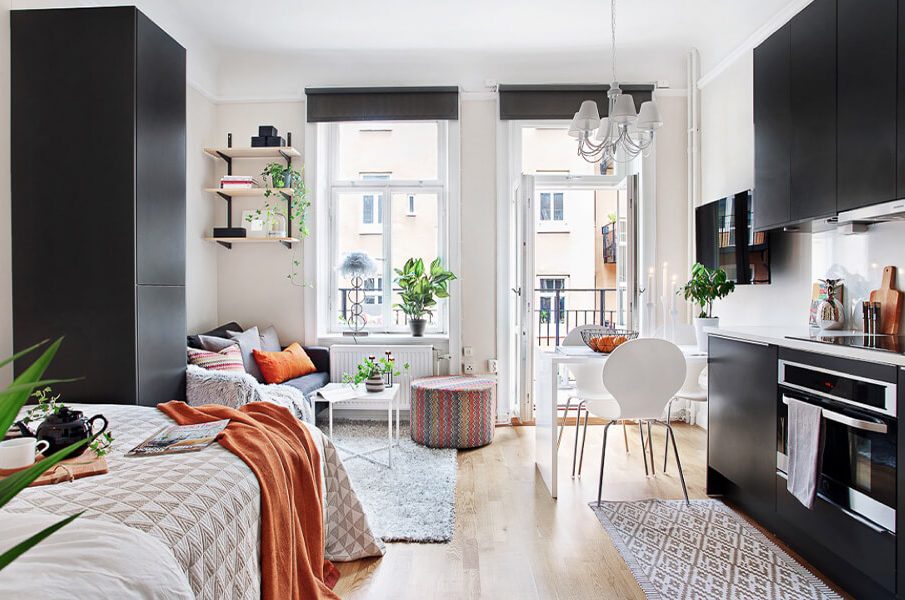
Living in a small apartment doesn’t mean sacrificing comfort, style, or functionality. With thoughtful planning and clever organization, even compact spaces can feel open, efficient, and inviting. The key lies in maximizing every square foot while maintaining visual balance and everyday usability.
Below are practical, creative, and realistic ideas to help transform a limited space into a smart and stylish living environment.
Choose Multi-Functional Furniture That Works Harder
One of the most effective strategies in small apartment living is selecting furniture that performs more than one role. Instead of filling your space with single-purpose items, invest in adaptable pieces that support multiple needs.
Consider these smart options:
- Sofa beds that convert into sleeping areas for guests
- Storage ottomans that double as seating and hidden storage
- Extendable dining tables for flexible meal setups
- Fold-down desks ideal for remote work setups
- Bed frames with drawers to replace bulky wardrobes
These solutions help reduce clutter while increasing usability without overcrowding your apartment.
Use Vertical Space Like a Pro
Walls are often underutilized in compact homes. Making use of vertical space instantly creates additional storage without shrinking walking areas.
Smart vertical strategies include:
- Installing floating shelves above desks or sofas
- Using wall-mounted cabinets instead of floor units
- Hanging pegboards for kitchen tools or accessories
- Adding tall bookcases instead of wide storage units
Vertical storage keeps essentials accessible while preserving openness at eye level.
Create Zones Within a Single Room
Studio apartments especially benefit from visual zoning. Dividing areas without building walls helps maintain airflow and openness.
Try these zoning techniques:
- Use area rugs to define living and sleeping sections
- Place open shelving units as room separators
- Position sofas strategically to mark boundaries
- Add curtains or folding screens for privacy
Zoning improves both functionality and psychological comfort in smaller layouts.
Foldable and Stackable Pieces Save Precious Space
Furniture that disappears when not in use is extremely valuable in compact living environments.
Look for:
- Foldable dining chairs
- Nesting tables
- Drop-leaf tables
- Stackable stools
- Wall-mounted ironing boards
These options allow you to adapt your space instantly depending on your needs.
Let Light and Mirrors Expand the Room Visually
Smart visual design can make a small apartment feel significantly larger.
Use these tricks effectively:
- Install large mirrors opposite windows
- Choose light-colored walls
- Keep window areas uncluttered
- Use glass furniture surfaces
- Add layered lighting instead of one central fixture
Together, these techniques create the illusion of openness and depth.
Hidden Storage Keeps Spaces Calm and Organized
Clutter makes small apartments feel even smaller. Hidden storage solutions help maintain a tidy environment without compromising style.
Consider integrating:
- Under-bed storage containers
- Storage benches near entryways
- Cabinets above door frames
- Pull-out pantry shelves
- Storage headboards
Keeping items out of sight creates a calmer and more spacious atmosphere.
Think Vertically in the Kitchen and Bathroom
Compact kitchens and bathrooms benefit the most from creative storage thinking.
Practical improvements include:
- Magnetic strips for knives
- Over-the-sink drying racks
- Hanging spice organizers
- Corner shelves inside cabinets
- Shower caddies with multiple tiers
Small upgrades here often produce the biggest impact.
Choose Furniture with Legs Instead of Bulk Bases
Furniture that sits directly on the floor visually crowds a room. Pieces with visible legs allow light to pass underneath, creating a more open appearance.
Best examples include:
- Raised sofas
- Slim-legged chairs
- Floating vanities
- Elevated TV consoles
This subtle adjustment improves spatial perception immediately.
Keep Layout Flexible for Everyday Living
Small apartments work best when layouts remain adaptable rather than fixed.
Helpful flexibility tips:
- Avoid pushing all furniture against walls
- Leave walking pathways clear
- Use movable lighting instead of fixed fixtures
- Keep at least one multi-purpose surface available
Flexibility allows your home to adjust easily for work, relaxation, or guests.
Add Smart Entryway Storage Even Without an Entryway
Many small apartments lack a dedicated foyer, but that doesn’t mean organization isn’t possible.
Try these compact solutions:
- Wall hooks for bags and coats
- Slim shoe cabinets
- Floating key shelves
- Narrow console tables
Even a small corner near the door can become a functional mini-entry zone.
FAQ: Smart Space-Saving Ideas for Small Apartment Living
1. How can I make a small apartment feel less cramped without renovating?
Rearranging furniture, adding mirrors, improving lighting, and reducing visible clutter can dramatically improve how spacious your apartment feels without structural changes.
2. What colors work best for small apartment interiors?
Light neutrals such as soft whites, warm beiges, pale greys, and muted pastels reflect more light and visually expand compact rooms.
3. Is open shelving better than closed storage in small spaces?
A combination works best. Open shelving keeps frequently used items accessible, while closed storage hides clutter and maintains visual calm.
4. How do I create workspace in a tiny apartment?
Wall-mounted desks, foldable tables, or compact corner desks can easily create productive work zones without occupying permanent floor space.
5. What type of lighting improves small apartment layouts most?
Layered lighting—using floor lamps, wall lights, and task lamps together—creates depth and prevents shadows that make rooms appear smaller.
6. Can plants work in small apartments without making them feel crowded?
Yes. Choosing vertical plant stands, hanging planters, or small tabletop greenery adds freshness without reducing usable space.
7. How often should I reorganize storage in a compact home?
Reviewing and adjusting storage every few months helps maintain efficiency and prevents unnecessary accumulation of unused items.