Packing Strategies That Save Time and Protect Valuables
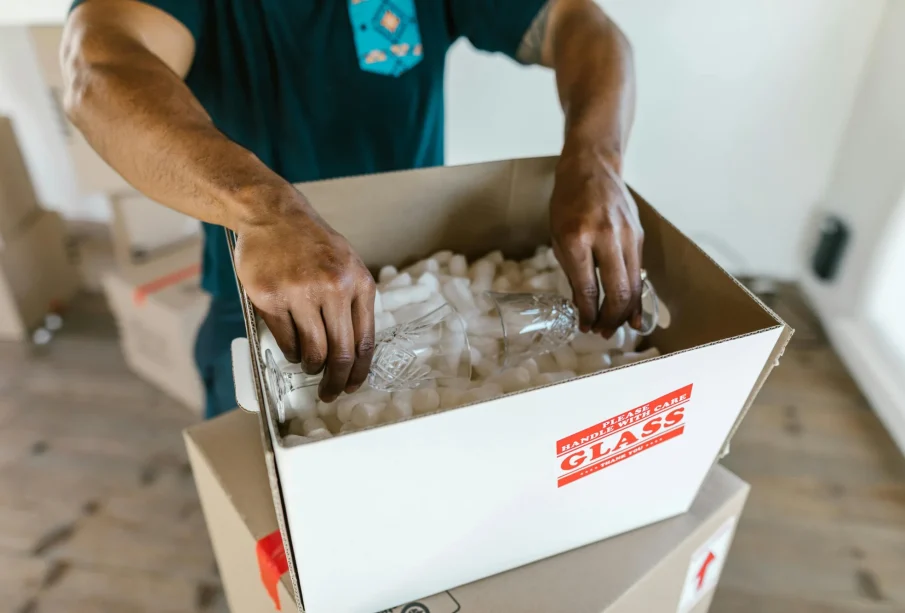
Packing for a move can quickly become overwhelming without a structured approach. Smart packing strategies help reduce stress, prevent damage, and ensure important belongings remain easy to locate after arrival. With the right techniques, you can save time, protect valuables, and simplify the entire relocation process.
Effective packing begins with preparation and continues through careful labeling, protection, and organization.
Start Packing Early with a Room-by-Room Plan
Packing gradually instead of rushing at the last minute improves both efficiency and accuracy.
A room-based packing strategy helps you:
- Stay organized throughout the move
- Track completed tasks easily
- Reduce the risk of misplaced items
- Avoid unnecessary repacking
- Maintain access to daily essentials longer
Working room by room creates a predictable packing workflow.
Use High-Quality Packing Materials for Better Protection
Strong packing materials reduce the chances of damage during transport.
Essential supplies include:
- Durable cardboard boxes
- Bubble wrap for fragile items
- Packing paper for delicate surfaces
- Strong packing tape
- Cushioning materials for empty spaces
Investing in reliable materials protects valuables more effectively.
Label Every Box Clearly and Consistently
Clear labeling prevents confusion during loading and unpacking.
Effective labeling should include:
- Room destination
- Fragile item indicators
- Priority unpacking notes
- Orientation arrows if necessary
- Short descriptions of contents
Consistent labeling speeds up both transportation and unpacking.
Pack Fragile Items Using Layered Protection Techniques
Delicate belongings require extra attention to avoid breakage during movement.
Protect fragile items by:
- Wrapping each item individually
- Using double-layer cushioning
- Filling empty box spaces to prevent shifting
- Placing heavier objects at the bottom
- Avoiding overpacking fragile boxes
Layered protection keeps valuables secure during transit.
Keep Important Documents in a Separate Travel Folder
Critical paperwork should remain easily accessible at all times.
Important documents to separate include:
- Identification records
- Financial paperwork
- Property agreements
- Insurance documents
- Medical records if needed
Keeping documents with you ensures they remain safe and available.
Pack an Essentials Box for Immediate Use After Arrival
An essentials box prevents unnecessary searching during the first day in your new home.
Useful items to include are:
- Phone chargers
- Basic kitchen supplies
- Toiletries
- Change of clothes
- Medications if required
Having quick access to these items makes the transition smoother.
Use Small Boxes for Heavy Items and Large Boxes for Light Items
Weight distribution improves both safety and handling efficiency during transport.
Examples of proper box usage:
- Small boxes for books and tools
- Medium boxes for kitchenware
- Large boxes for bedding and clothing
- Reinforced boxes for electronics
Balanced packing prevents lifting injuries and protects contents.
Protect Electronics with Extra Care
Electronic devices require careful packing to prevent internal damage.
Helpful protection techniques include:
- Using original packaging when available
- Wrapping cables separately
- Labeling accessories clearly
- Adding cushioning layers around devices
- Keeping electronics upright during transport
Proper handling ensures equipment remains functional after relocation.
Use Clothing and Towels as Protective Cushioning
Soft household materials can serve as effective protective layers during packing.
Practical cushioning uses include:
- Wrapping glassware with clothing
- Protecting screens with towels
- Filling empty box gaps with fabric
- Supporting fragile décor pieces
This strategy reduces the need for extra packing supplies.
Seal and Reinforce Boxes Correctly for Safe Transport
Well-sealed boxes prevent accidental opening and content shifting during transit.
Strong sealing practices include:
- Reinforcing bottom seams
- Using multiple tape layers
- Avoiding overfilled boxes
- Testing box stability before stacking
- Labeling weight-sensitive boxes clearly
Secure boxes remain stable throughout the moving process.
FAQ: Packing Strategies That Save Time and Protect Valuables
1. How early should packing begin before a move?
Starting at least two to three weeks before moving day allows enough time to pack gradually without stress.
2. What is the safest way to pack glass items for relocation?
Wrapping each item individually and placing cushioning materials between layers helps prevent breakage.
3. Should valuables be transported separately from general household items?
Yes. Important documents, jewelry, and essential electronics should stay with you rather than inside moving trucks.
4. How can I prevent boxes from becoming too heavy to lift?
Distribute heavy items across smaller boxes and avoid filling large boxes with dense materials.
5. Is it helpful to color-code moving boxes?
Color-coding can speed up sorting and unloading by making room identification quicker.
6. How can I protect furniture edges during packing?
Using corner protectors, blankets, or bubble wrap helps prevent scratches and dents during transport.
7. What items should never be packed inside moving boxes?
Important documents, daily medications, valuables, and frequently used electronics should remain easily accessible during travel.