How to Maintain Your Water Softener System for Longevity
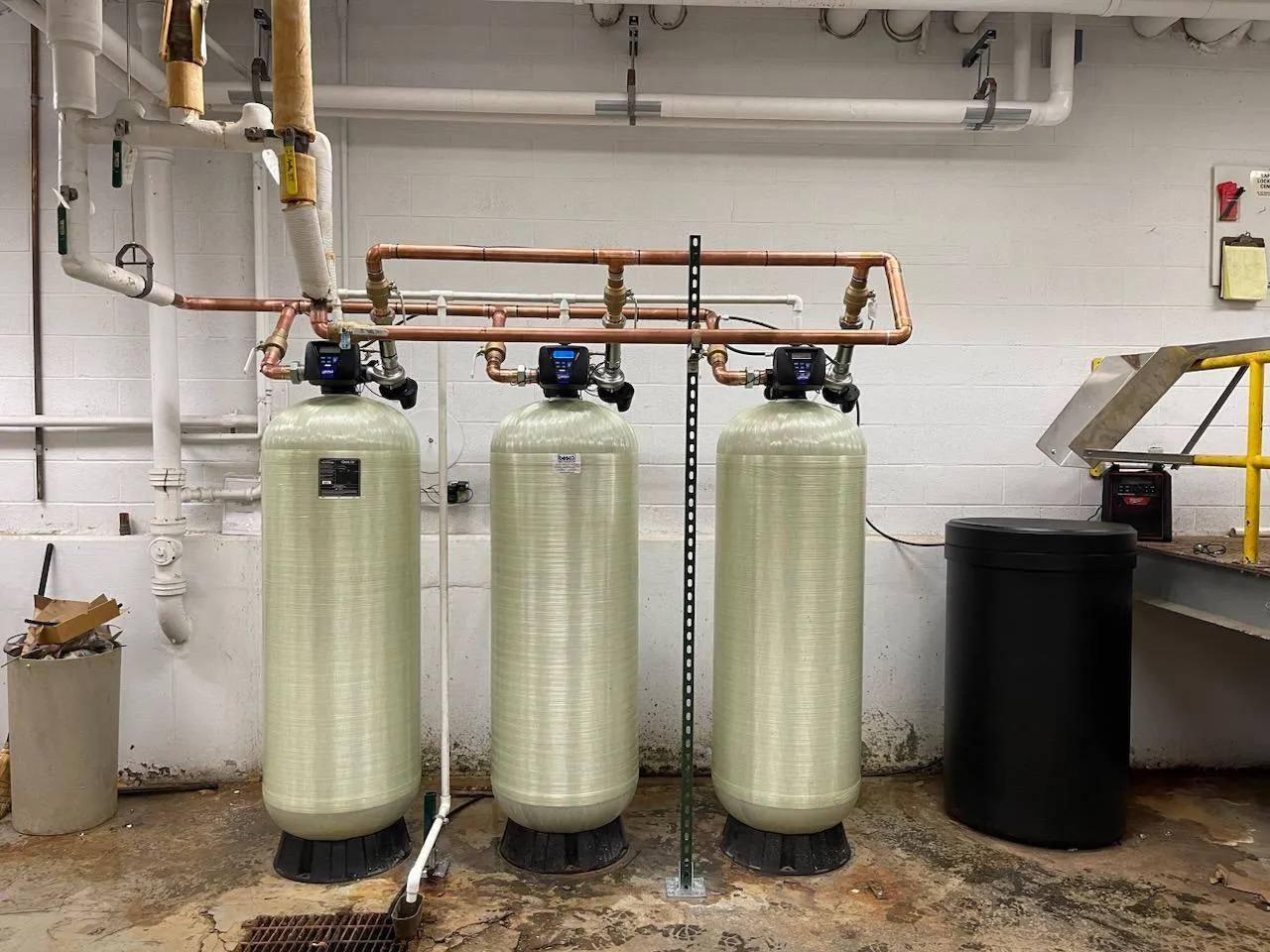
A water softener is a valuable investment that improves water quality, enhances appliance efficiency, and protects plumbing systems. Like any piece of equipment, a water softener requires regular care to ensure it performs optimally for years to come. Proper maintenance not only extends its lifespan but also helps you reap the maximum benefits of softened water. This guide outlines essential steps and considerations for maintaining your water softener effectively.
Understanding the Basics of Water Softener Maintenance
Before delving into specific maintenance steps, it’s helpful to understand how water softeners work. These systems use ion exchange to remove hard water minerals like calcium and magnesium, replacing them with sodium or potassium ions. Over time, the components of the system—such as the resin bed, brine tank, and valves—may require cleaning or servicing to function at their best.
Key Steps to Maintaining Your Water Softener
1. Regularly Check Salt Levels
The salt in your water softener’s brine tank plays a crucial role in the ion exchange process. Without sufficient salt, the system cannot regenerate properly, leading to reduced efficiency.
- Frequency: Check the salt level at least once a month.
- Refilling: When the salt level falls below the halfway mark, replenish it with high-quality salt pellets designed for water softeners. Avoid using table salt or rock salt, as these can introduce impurities that may clog the system.
2. Clean the Brine Tank
Over time, sediment and sludge can accumulate at the bottom of the brine tank, potentially disrupting the system’s functionality. Periodic cleaning ensures the tank remains free of debris.
- Steps:
- Empty the tank and discard any remaining salt.
- Rinse it thoroughly with warm water.
- Use a mild detergent to scrub away any residue, then rinse again.
- Refill the tank with fresh salt and water.
- Frequency: Clean the tank every 6 to 12 months, depending on usage and water quality.
3. Inspect the Resin Bed
The resin bed is the heart of the water softener, where the ion exchange occurs. Over time, the resin beads can become fouled by iron, manganese, or other contaminants in the water.
- Maintenance Tips:
- Use a resin cleaner as part of the regeneration cycle if your water contains high levels of iron or other metals.
- If the resin beads lose their effectiveness, consider replacing them. Resin typically lasts 10 to 15 years with proper care.
4. Monitor and Adjust Regeneration Settings
Water softeners are programmed to regenerate based on your household’s water usage and hardness levels. Periodically reviewing these settings ensures the system operates efficiently without wasting salt or water.
- Tips:
- Adjust settings if your household size or water usage changes.
- Refer to the manufacturer’s manual for guidance on calibration.
5. Check for Salt Bridges and Mushing
Salt bridges occur when hardened salt forms a crust, preventing the water softener from using the salt below. Salt mushing, on the other hand, creates a sludge-like substance that clogs the brine tank.
- Prevention:
- Use high-purity salt to minimize impurities.
- Break up any crusted salt with a broom handle or similar tool, being careful not to damage the tank.
6. Inspect the System for Leaks and Wear
Regularly examining the entire system for signs of leaks or worn components can prevent minor issues from escalating into costly repairs.
- Areas to Check:
- Hoses and connections for leaks.
- Valves and seals for wear or damage.
- The control head for proper operation.
7. Test Water Hardness Levels
Occasionally testing your water ensures the system is functioning correctly and delivering the expected level of softness.
- Frequency: Test the water every few months or whenever you notice a change in water quality.
Professional Servicing: When to Call an Expert
While routine maintenance can be handled by most homeowners, some tasks require professional expertise. Consider scheduling an annual service with a qualified technician to:
- Inspect and clean the system thoroughly.
- Test and adjust internal components for optimal performance.
- Address issues that may not be apparent during routine checks.
Tips for Extending the Life of Your Water Softener
- Use Quality Inputs: Always use high-quality salt and resin cleaners to reduce wear and prevent impurities from damaging the system.
- Avoid Overloading: Follow the manufacturer’s guidelines for salt and water levels to prevent strain on the system.
- Protect from Freezing: If your water softener is installed in an area exposed to cold temperatures, insulate it to prevent freezing, which can damage internal components.
- Install a Pre-Filter: In areas with high sediment or iron content, a pre-filter can protect the resin bed and valves from clogging.
Final Considerations
A well-maintained water softener is a long-term asset, improving water quality, protecting appliances, and saving you money on repairs and replacements. By dedicating time to regular upkeep, you ensure your system runs smoothly, enhancing its lifespan and performance. Whether through diligent checks or periodic professional servicing, the effort you invest in maintenance pays dividends in the form of cleaner water and peace of mind.