How to Plan a Smooth Long-Distance Move

A long-distance move involves more than packing boxes and arranging transportation. It requires careful planning, organized timelines, and practical decision-making to avoid delays, unexpected costs, and unnecessary stress. With the right preparation strategy, moving across cities or regions can become a manageable and structured process.
The key to success lies in starting early, staying organized, and anticipating potential challenges before moving day arrives.
Start Planning Several Weeks in Advance
Early preparation reduces last-minute pressure and allows enough time to coordinate logistics properly.
Begin by:
- Creating a moving timeline
- Listing essential tasks week by week
- Confirming relocation dates
- Researching transportation options
- Preparing a moving budget
Starting early ensures better scheduling flexibility and smoother coordination.
Create a Detailed Moving Checklist
A checklist helps keep important responsibilities organized and prevents missed steps during relocation.
Your checklist should include:
- Utility disconnection dates
- Address change notifications
- Packing deadlines
- Document preparation
- Transportation confirmations
Tracking progress visually keeps the entire process under control.
Declutter Before Packing to Reduce Moving Costs
Transporting fewer items lowers moving expenses and simplifies unpacking later.
Effective decluttering strategies include:
- Sorting items by category
- Donating unused belongings
- Recycling damaged items
- Selling furniture you no longer need
- Keeping only essentials for the new home
Moving fewer items saves both time and effort.
Set a Realistic Moving Budget
Long-distance moves often involve hidden expenses if not planned carefully.
Important cost factors include:
- Packing materials
- Transportation fees
- Temporary accommodation if required
- Fuel or travel expenses
- Insurance coverage for valuables
A clear budget helps prevent unexpected financial stress during relocation.
Pack Strategically for Long-Distance Transport
Packing for a long-distance move requires extra attention because items travel longer routes and face more handling.
Helpful packing techniques include:
- Using sturdy labeled boxes
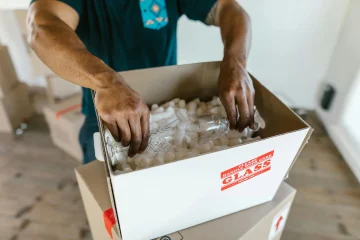
- Wrapping fragile items carefully
- Packing heavier items in smaller boxes
- Keeping essentials in a separate travel bag
- Protecting important documents in waterproof folders
Proper packing reduces the risk of damage during transit.
Organize Important Documents Separately
Critical paperwork should remain easily accessible throughout the move.
Keep these documents together:
- Identification records
- Lease or property agreements
- Medical records if needed
- Insurance papers
- Financial documents
Storing documents separately prevents confusion during arrival.
Confirm Transportation Arrangements in Advance
Reliable transportation is one of the most important elements of a successful long-distance move.
Preparation steps include:
- Confirming moving vehicle availability
- Verifying pickup and delivery timelines
- Reviewing insurance coverage
- Checking loading requirements
- Preparing parking access if needed
Early confirmation reduces last-minute complications.
Notify Essential Services About Your Address Change
Updating your address ensures continuity of services after relocation.
Important notifications include:
- Banks and financial institutions
- Subscription services
- Utility providers
- Schools or employers if applicable
- Delivery services
Timely updates prevent service interruptions.
Prepare an Essentials Bag for the First Few Days
Arrival at a new location often involves temporary adjustment before full unpacking begins.
Your essentials bag should include:
- Basic clothing
- Toiletries
- Chargers and electronics
- Medication if required
- Important contact numbers
Having essentials ready makes the transition smoother.
Plan Arrival-Day Logistics in Advance
A clear arrival plan helps reduce confusion when reaching your new location.
Important preparation steps include:
- Confirming key handover timing
- Checking utility availability
- Planning furniture placement
- Scheduling unloading assistance if needed
- Keeping emergency contact details accessible
Organized arrival planning ensures a confident start in your new home.
FAQ: How to Plan a Smooth Long-Distance Move
1. How far in advance should I begin planning a long-distance move?
Planning typically works best when started at least four to eight weeks before the moving date.
2. What is the safest way to transport fragile household items?
Using strong boxes, protective wrapping materials, and clear labeling helps reduce damage risk during transport.
3. Should I pack everything myself or consider professional packing assistance?
Professional packing can be helpful for fragile items or large households, while smaller moves often work well with self-packing.
4. How can I stay organized during a multi-day relocation process?
Maintaining labeled boxes, checklists, and a timeline helps keep tasks structured throughout the move.
5. Is moving insurance necessary for long-distance relocation?
Insurance coverage is recommended because items travel longer distances and face higher handling exposure.
6. What should I prioritize unpacking first after arriving at the new home?
Start with essential items such as bedding, toiletries, kitchen basics, and important documents.
7. How can I reduce stress during a long-distance move?
Planning early, decluttering before packing, and preparing arrival-day essentials help make the transition smoother and more manageable.